

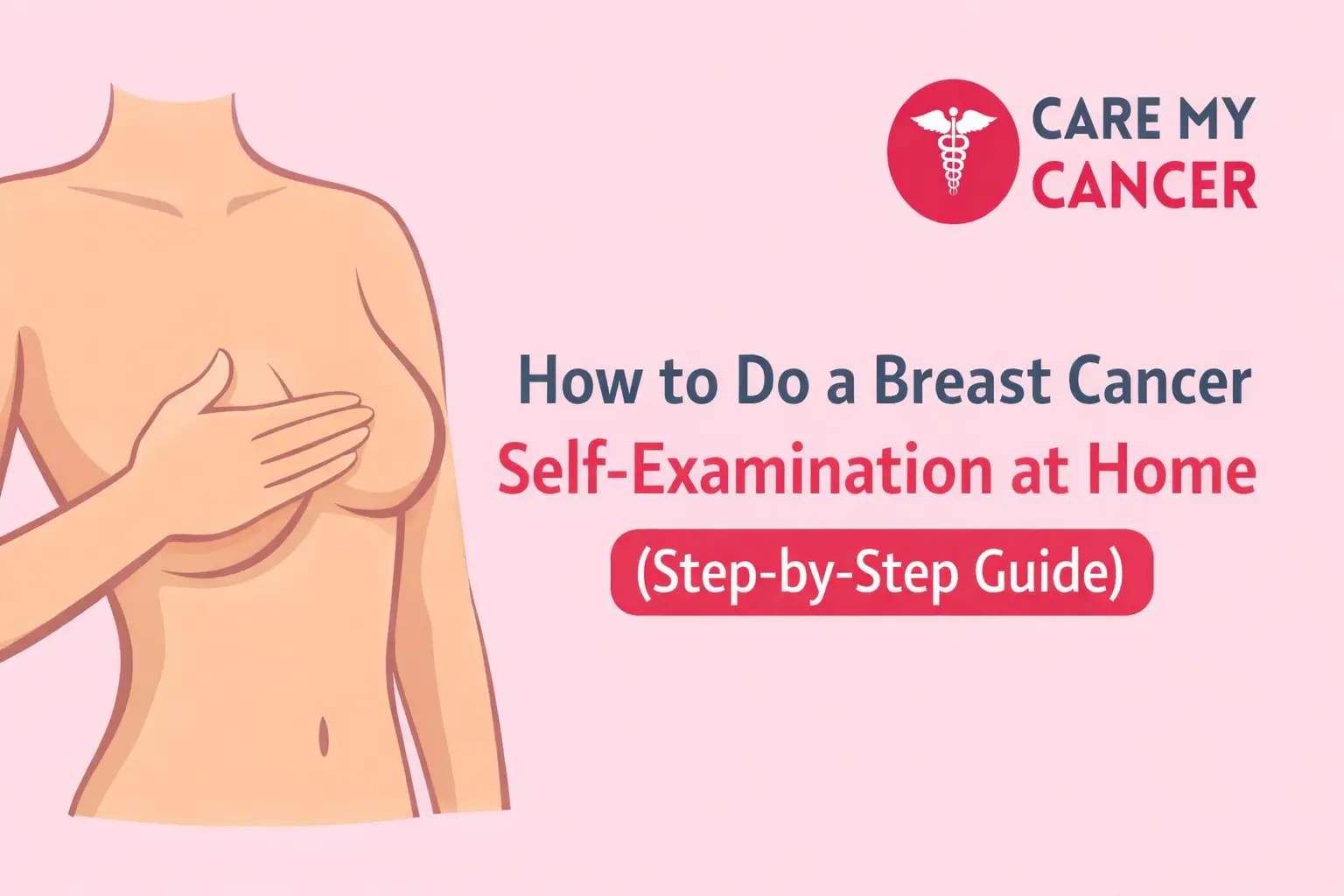
Breast health is an important part of overall well being, and very few men and women don’t try to find simple practices that could keep up early warning signs of trouble. One such method is the breast self-examination (BSE). This uncomplicated routine may be done at home and needs only a few minutes every day, yet it is responsible for saving thousands of lives in discouraging lump formation which eventually becomes breast cancer.
In this comprehensive guide, you’ll learn the step-by-step approach to doing a breast self-exam, when to do it, what you should look for, and important tips for precision.
What Is a Breast Self-Examination (BSE)?
This is a technique whereby you check your own breasts regularly for anything unusual including lumps, a swelling of the skin, etc. You want to get used to your normal breast size and shape real well so that if anything else crops up you’ll catch it almost at once.
Whilst BSE is not a substitute for the professional screening method of mammography, it operates basically by increasing awareness and activity at an early stage.
Why Are Breast Self-Examinations Important?
The advantages of regular breast self-exams are numerous:
- Detecting abnormalities early
- Understanding the normal feel of your breast tissue
- Fostering a proactive attitude towards health
- Leading to early diagnosis and thus better clinical results
According to health experts, early diagnosis greatly increases the chances of success for treatment in the case of breast cancer.
When Should You Do a Breast Self-Examination?
An important part of this is timing to get an accurate result.
For women in their reproductive years:
- Do the exam 5–7 days after your period ends, when your breasts are least tender and least inflated
For women who don’t menstruate (post-menopause, pregnant, etc.):
- Choose one definite day on a monthly basis (e.g. the 1st or 2nd)
Consistency is essential – try to do the exam once every month.
Step-by-Step Guide to Breast Self-Examination
Step 1: Observe Yourself in the Mirror
Stand facing into a full-length mirror with your shoulders straight and your hands on your hips.
Look out for:
- Changes of any kind in breast size or shape
- Visible lumps or swelling
- Dimpling or puckering of the skin
- Redness or rash
- Changes in nipple position or the way it points (inversion or discharge)
Raise your arms high above your head and slightly bend forward to get a better view, especially the underside.
Step 2: While Sitting or Standing
During a shower, this step is usually easier because the moist skin allows fingers to move smoothly.
Method of examining:
- Use the pads of your fingers (not the tips)
- Move fingers in a gentle circular pattern
- Cover the entire breast area
Patterns you can follow:
- Circular pattern from outside to centre
- Vertical up-and-down lines
- Wedge pattern from nipple outward
Apply three levels of pressure:
- Light pressure
- Medium pressure
- Hard pressure (deep tissue)
Step 3: Check While Lying Down
While lying flat on your back, place a pillow under your right shoulder.
How to do this:
- Put your right hand behind your head
- Use your left hand to examine your right breast
- Repeat on the other side
Use small circular motions and cover the entire breast and armpit area.
Also Read: Foods That Cause Colon Cancer: 10 Worst Foods You Should Stay Away From
Step 4: Inspect the Nipple Area
Gently squeeze each nipple.
Watch out for:
- Any fluid (milky, yellowy, blood)
Additional Signs to Notice
- Armpit area swells
Not all lumps are cancerous, but any unusual change should be checked by a doctor.
Common Mistakes to Avoid
- Skipping a monthly check
- Using your fingertips instead of finger pads
- Applying uneven pressure
- Forgetting the armpit area
- Worrying about normal lumps
Remember, breast tissue naturally contains some lumpiness. The goal is to notice changes, not perfection.
When You Should Consult a Doctor
See a healthcare professional if you notice:
- A new lump that lasts
- Changes in the appearance of your breast
- Unexplained pain
- Nipple discharge
- Skin swelling or changes
Early consultation helps prevent complications and ensures timely treatment.
BSE vs. Mammography
| Breast Self-Exam | Mammogram |
|---|---|
| Done at home | Done in a clinic |
| Detect visible & physical changes | Detect internal abnormalities |
| Free and easy | Requires medical equipment |
| Monthly practice | As per age/risk |
Best advice: Combine regular self-tests with clinical screenings.
Tips for Effective Breast Self-Examination
- Put it on your calendar
- Send an email or text reminder
- Remind yourself regularly
Who Should Perform Breast Self-Exams
- Women over the age of 20
- Anyone with a family history of breast cancer
- People who want to be proactive about their breast health
Men can perform these tests, but breast cancer is relatively rare among males.
How to Succeed in Breast Self-Exam
A breast self-exam has two rules:
- Do it at the same time every month
- Lie down while doing it
It does not replace professional exams but supports them. Awareness helps you stay in control of your health.
Q&A on Breast Self-Examination
How long does it take?
- 5–10 minutes
Is it normal to feel lumps?
- Some are normal. Look for new changes
Can I do it during my period?
- Best to wait until your period ends
Does BSE prevent cancer?
- No, but it helps in early detection