

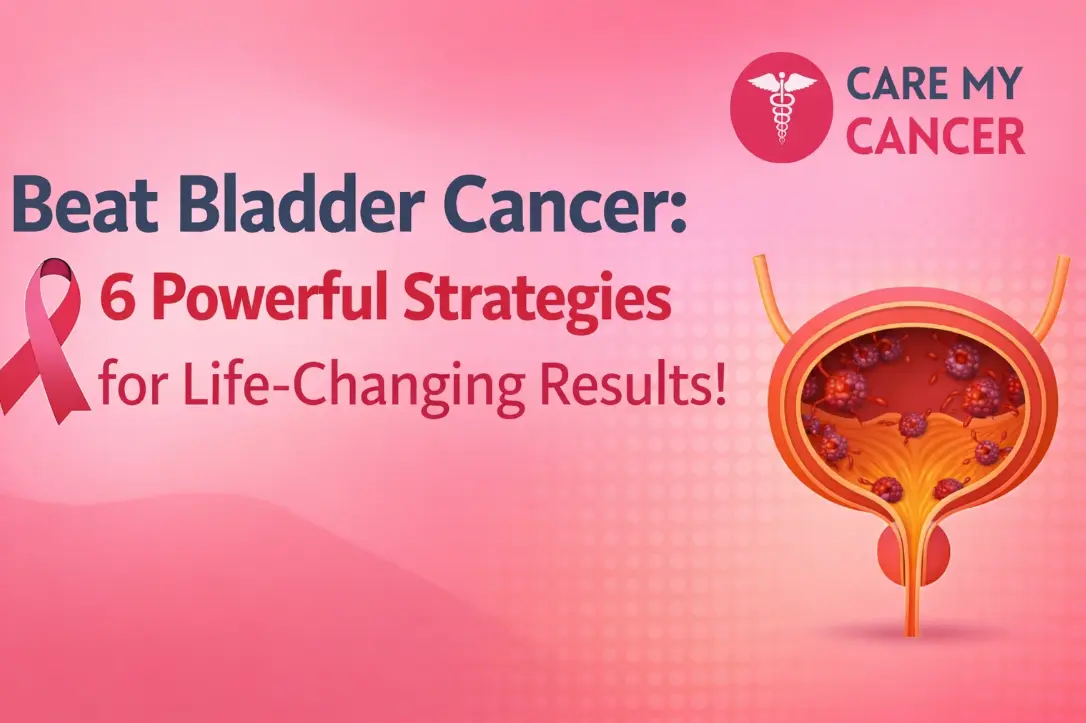
Bladder cancer is one of the most common cancers affecting the urinary system. It develops when abnormal cells begin growing in the bladder lining and multiply uncontrollably. Although a cancer diagnosis can feel overwhelming, modern medical advancements and early detection have made bladder cancer highly treatable in many cases.
The key to improving survival and quality of life lies in understanding the disease and adopting the right strategies. By combining medical treatment with healthy lifestyle choices, patients can significantly increase their chances of recovery.
Below are six powerful strategies to beat bladder cancer and achieve life-changing results.
6 Powerful Strategies to Beat Bladder Cancer
- Early Detection and Diagnosis
- Choosing the Right Treatment Plan
- Quitting Smoking
- Maintaining a Healthy Diet
- Staying Physically Active
- Regular Medical Follow-Ups
Let’s understand each of these strategies in detail.
1. Early Detection and Diagnosis
Early detection is one of the most important factors in successfully treating bladder cancer. When the disease is diagnosed in its early stages, treatment is usually more effective and less complicated.
The most common early sign of bladder cancer is blood in the urine (hematuria). Other symptoms may include:
- Frequent urination
- Pain or burning during urination
- Pelvic or lower back pain
- Difficulty urinating
If any of these symptoms appear, it is important to consult a urologist immediately. Doctors may perform tests such as urine analysis, cystoscopy, CT scans, or biopsy to confirm the diagnosis.
Detecting bladder cancer early can dramatically improve treatment success rates and help prevent the disease from spreading.
2. Choosing the Right Treatment Plan
Every bladder cancer patient is different, which means treatment plans must be personalized. Doctors consider several factors before recommending treatment, including:
- Stage of cancer
- Tumor size and location
- Patient’s overall health
- Cancer aggressiveness
Common bladder cancer treatments include:
Surgery:
In early stages, doctors often perform Transurethral Resection of Bladder Tumor (TURBT) to remove cancer cells. In more advanced cases, part or all of the bladder may need to be removed.
Chemotherapy:
This treatment uses powerful drugs to destroy cancer cells and prevent them from spreading.
Immunotherapy:
Immunotherapy helps strengthen the body’s immune system so it can fight cancer more effectively.
Radiation Therapy:
Radiation uses high-energy beams to kill cancer cells and shrink tumors.
Working with an experienced specialist ensures the best treatment approach and better recovery outcomes.
Also Read: How to Reduce Lung Cancer Risk Factors Naturally
3. Quitting Smoking
Smoking is the largest risk factor for bladder cancer. Harmful chemicals in cigarettes enter the bloodstream and are filtered by the kidneys. These chemicals accumulate in the bladder and damage its lining over time.
Studies show that smokers are three times more likely to develop bladder cancer compared to non-smokers.
Quitting smoking offers several benefits:
- Reduces risk of cancer recurrence
- Improves treatment effectiveness
- Promotes overall bladder health
Even after diagnosis, stopping smoking can greatly improve long-term health outcomes. Support programs, nicotine replacement therapy, and counseling can help patients quit successfully.
4. Maintaining a Healthy Diet
Nutrition plays a vital role in supporting the body during cancer treatment and recovery. A healthy diet helps strengthen the immune system and provides essential nutrients needed for healing.
Patients should focus on consuming:
- Fresh fruits and vegetables
- Whole grains
- Lean protein sources
- Healthy fats such as nuts and seeds
- Antioxidant-rich foods
Foods rich in vitamins and antioxidants help protect healthy cells and reduce inflammation.
At the same time, it is advisable to limit:
- Processed foods
- Excess sugar
- Red meat
- Alcohol
A balanced diet can boost energy levels and help the body cope better with cancer treatments.
5. Staying Physically Active
Physical activity is often overlooked but can be extremely beneficial for cancer patients. Regular exercise helps maintain physical strength and improves emotional well-being.
Some benefits of staying active include:
- Improved immune function
- Reduced fatigue
- Better mood and mental health
- Faster recovery after treatment
Simple exercises such as walking, yoga, stretching, or light strength training can make a big difference. Even short daily activity sessions can help improve overall health.
However, patients should always consult their doctor before starting any exercise routine during treatment.
6. Regular Medical Follow-Ups
Bladder cancer has a higher risk of recurrence compared to many other cancers. That’s why regular follow-up appointments are essential even after successful treatment.
Doctors usually recommend routine monitoring such as:
- Cystoscopy examinations
- Urine tests
- Imaging scans
- Blood tests
These check-ups help doctors detect any recurrence at an early stage and start treatment immediately if necessary.
Consistent medical monitoring is one of the most effective ways to ensure long-term recovery and maintain bladder health.
Conclusion
Bladder cancer can be a serious condition, but it is not unbeatable. With early diagnosis, proper medical care, and healthy lifestyle changes, many patients successfully overcome the disease and live healthy lives.
By following these six powerful strategies — early detection, the right treatment plan, quitting smoking, maintaining a healthy diet, staying physically active, and regular medical follow-ups — patients can significantly improve their chances of beating bladder cancer.
Awareness, timely action, and professional medical support are the keys to achieving life-changing results in the fight against bladder cancer.