

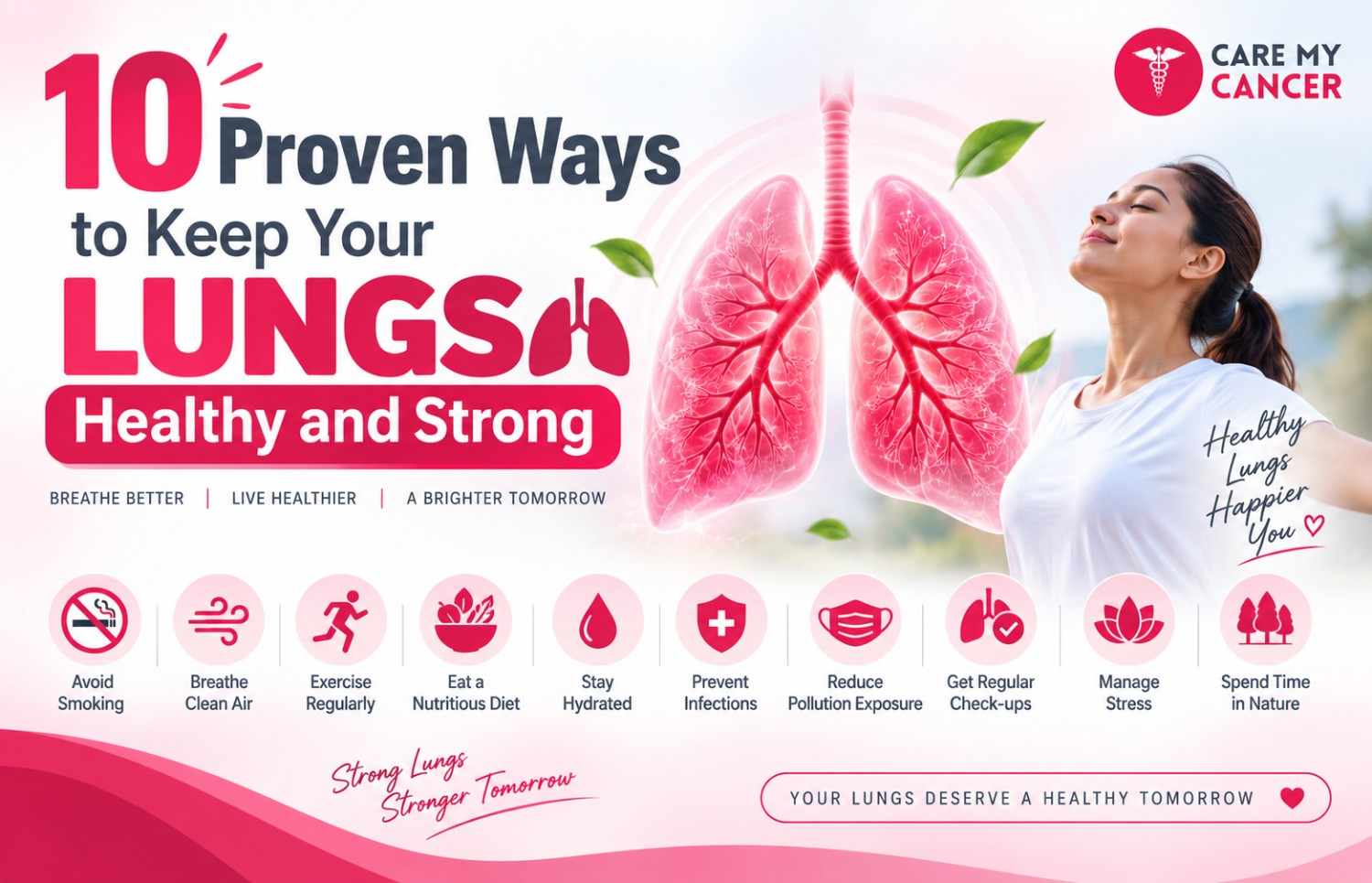
Our lungs work tirelessly every second of the day, supplying oxygen to the body and removing carbon dioxide. Despite their crucial role, lung health is often overlooked until breathing problems begin to affect daily life. With rising pollution levels, increasing tobacco use, and growing exposure to environmental toxins, protecting your lungs has become more important than ever.
Healthy lungs not only improve breathing but also support heart health, physical endurance, immunity, and overall well-being. Whether you’re young or elderly, adopting a few simple habits can significantly reduce your risk of respiratory diseases and improve lung function over time.
In this guide, Dr. Kamlesh Verma, Best Cancer Surgeon in Lucknow, shares 10 proven ways to keep your lungs healthy and strong for years to come.
Why Lung Health Matters
Your lungs contain millions of tiny air sacs called alveoli that help exchange oxygen and carbon dioxide. When lung tissue becomes damaged due to smoking, pollution, infections, or diseases like lung cancer, asthma, or COPD, this oxygen exchange becomes less efficient.
Poor lung health can lead to:
- Chronic coughing
- Shortness of breath
- Reduced physical activity
- Frequent respiratory infections
- Increased risk of lung cancer
- Lower quality of life
The good news is that many lung problems can be prevented through healthy lifestyle choices.
1. Never Smoke and Avoid Tobacco Products
One of the most effective ways to protect your lungs is to avoid smoking altogether.
Cigarette smoke contains thousands of harmful chemicals, many of which are known carcinogens. Smoking damages lung tissue, narrows air passages, and significantly increases the risk of:
- Lung cancer
- Chronic Obstructive Pulmonary Disease (COPD)
- Emphysema
- Chronic bronchitis
Even passive smoking can harm your lungs. If you smoke, quitting is the single most important step you can take for your respiratory health.
Benefits of Quitting Smoking
- Improved lung function
- Better oxygen levels
- Reduced risk of cancer
- Lower chances of respiratory infections
- Improved quality of life
2. Stay Away from Air Pollution Whenever Possible
Air pollution has become a major health concern worldwide. Tiny pollutants in the air can enter deep into the lungs and cause inflammation, irritation, and long-term damage.
To reduce exposure:
- Monitor air quality reports.
- Avoid outdoor exercise during high-pollution days.
- Wear a quality mask when necessary.
- Keep windows closed during severe pollution episodes.
- Use air purifiers indoors if possible.
People living in urban areas should be especially cautious, as prolonged exposure to polluted air can increase the risk of respiratory diseases and lung cancer.
3. Exercise Regularly
Physical activity strengthens both your lungs and cardiovascular system.
When you exercise, your body requires more oxygen, forcing your lungs to work harder and become more efficient over time. Regular exercise can:
- Improve lung capacity
- Enhance oxygen circulation
- Reduce breathlessness
- Boost endurance
Recommended Activities
- Walking
- Cycling
- Swimming
- Jogging
- Yoga
- Aerobic workouts
Aim for at least 30 minutes of moderate exercise five days a week for optimal lung health.
4. Practice Deep Breathing Exercises
Deep breathing exercises help expand lung capacity and improve oxygen exchange.
They are particularly beneficial for people who spend long hours sitting, experience stress, or are recovering from respiratory illnesses.
Simple Deep Breathing Technique
- Sit comfortably.
- Inhale slowly through your nose.
- Fill your lungs completely.
- Hold your breath for a few seconds.
- Exhale slowly through your mouth.
Repeat this exercise for 5–10 minutes daily to strengthen respiratory muscles and improve lung efficiency.
5. Maintain a Healthy Diet
Your lungs benefit greatly from proper nutrition.
Certain foods contain antioxidants and anti-inflammatory compounds that help protect lung tissue from damage caused by pollution and free radicals.
Lung-Friendly Foods
- Leafy green vegetables
- Berries
- Citrus fruits
- Tomatoes
- Carrots
- Nuts and seeds
- Fatty fish rich in Omega-3
Additionally, drinking plenty of water helps keep mucus thin, allowing your lungs to function more efficiently.
6. Prevent Respiratory Infections
Infections such as influenza, pneumonia, and COVID-19 can cause temporary or permanent lung damage.
To reduce your risk:
- Wash your hands regularly.
- Avoid close contact with sick individuals.
- Follow vaccination recommendations.
- Maintain good personal hygiene.
- Seek medical attention for persistent respiratory symptoms.
Strong immunity plays a key role in protecting your lungs from infections and complications.
7. Improve Indoor Air Quality
Many people focus on outdoor pollution while ignoring indoor air contaminants.
Common indoor pollutants include:
- Dust mites
- Mold
- Pet dander
- Chemical cleaners
- Tobacco smoke
- Cooking fumes
Tips for Cleaner Indoor Air
- Keep your home well-ventilated.
- Use exhaust fans in kitchens.
- Clean air filters regularly.
- Reduce exposure to harsh chemicals.
- Avoid indoor smoking.
Cleaner indoor air can significantly reduce respiratory irritation and improve breathing comfort.
8. Protect Yourself from Occupational Hazards
Certain professions expose workers to harmful airborne substances that can damage the lungs.
High-risk occupations include:
- Construction workers
- Factory workers
- Miners
- Painters
- Agricultural workers
If your work environment contains dust, chemicals, fumes, or asbestos, always use appropriate protective equipment such as respirators and masks.
Employers and workers should follow safety guidelines to minimize long-term respiratory risks.
9. Get Regular Health Checkups
Routine medical checkups can help detect lung problems before symptoms become severe.
Early diagnosis often leads to better treatment outcomes, especially for serious conditions such as:
- Lung cancer
- COPD
- Pulmonary fibrosis
- Asthma
People with a history of smoking, occupational exposure, or a family history of respiratory diseases should undergo regular screenings as recommended by their healthcare provider.
Importance of Early Detection
Early identification of lung abnormalities allows timely intervention, often improving survival rates and treatment success.
10. Know the Warning Signs of Lung Disease
Many serious lung conditions develop gradually and may initially produce mild symptoms.
Seek medical evaluation if you experience:
- Persistent cough lasting more than three weeks
- Coughing up blood
- Chest pain
- Wheezing
- Unexplained weight loss
- Frequent respiratory infections
- Shortness of breath
Ignoring these symptoms can delay diagnosis and treatment.
Lung Cancer Awareness
Lung cancer remains one of the leading causes of cancer-related deaths worldwide. Early-stage lung cancer often has no noticeable symptoms, making regular health evaluations particularly important for high-risk individuals.
If you have concerns about lung health or cancer symptoms, consult an experienced specialist promptly.
When to Consult a Specialist
You should seek professional medical advice if:
- You have a chronic cough.
- Breathing difficulties interfere with daily activities.
- You have a history of smoking.
- You are exposed to workplace pollutants.
- You notice unusual respiratory symptoms.
Expert evaluation can identify underlying conditions and provide personalized treatment plans.
Expert Advice from Dr. Kamlesh Verma
Maintaining healthy lungs is a lifelong commitment. Small daily habits such as avoiding tobacco, staying active, eating nutritious foods, and reducing pollution exposure can make a significant difference in your respiratory health.
For individuals concerned about lung cancer, respiratory diseases, or cancer-related complications, timely consultation with an experienced specialist is essential.
Dr. Kamlesh Verma, recognized as one of the best cancer Surgeons in Lucknow, is dedicated to providing advanced cancer care, early diagnosis, and comprehensive treatment solutions for patients seeking expert guidance and compassionate care.
Final Thoughts
Healthy lungs are vital for a healthy life. By following these 10 proven strategies, you can strengthen your lungs, improve breathing efficiency, and reduce the risk of serious respiratory diseases.
Remember, prevention is always better than treatment. Taking care of your lungs today can help ensure better health, greater energy, and improved quality of life in the years ahead.
If you notice persistent respiratory symptoms or have concerns about lung cancer, don’t delay seeking professional medical advice. Early detection can save lives.