

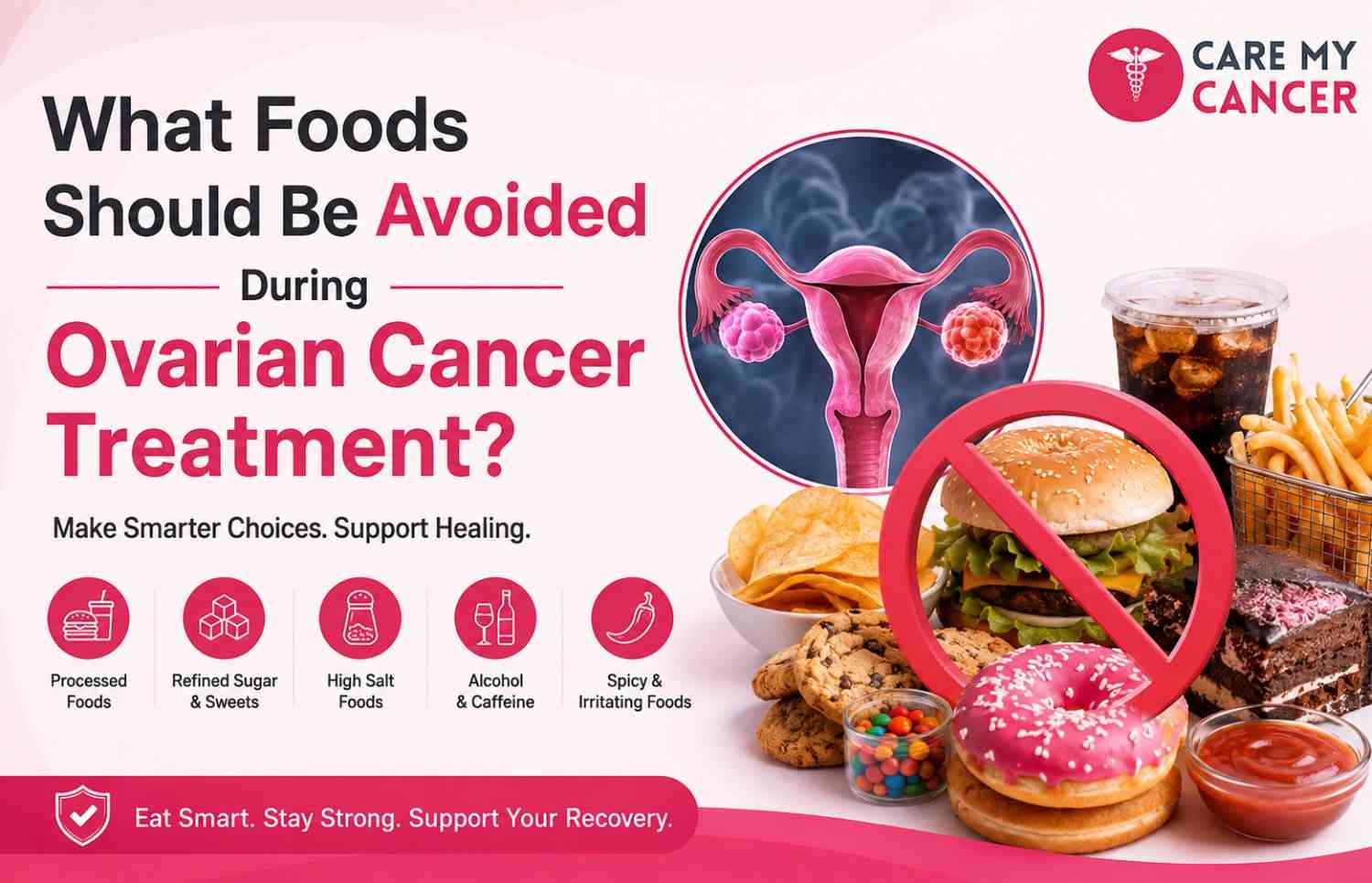
Ovarian cancer treatment can be physically and emotionally challenging. Whether a patient is undergoing surgery, chemotherapy, targeted therapy, or immunotherapy, maintaining proper nutrition plays a vital role in recovery and overall well-being. While many people focus on foods that support healing, it is equally important to understand which foods should be avoided during ovarian cancer treatment.
Certain foods can increase the risk of infections, worsen treatment-related side effects, interfere with medications, or place additional stress on the body. A balanced diet combined with guidance from an experienced healthcare team can help patients maintain strength, improve treatment tolerance, and support recovery.
In this article, we discuss the foods that should be limited or avoided during ovarian cancer treatment and share practical dietary tips for patients and caregivers.
Why Diet Matters During Ovarian Cancer Treatment
Cancer treatments often affect the body’s ability to digest food, absorb nutrients, and fight infections. Common side effects include:
- Nausea and vomiting
- Loss of appetite
- Fatigue
- Mouth sores
- Changes in taste and smell
- Digestive problems
- Weak immune function
Eating the right foods can help manage these symptoms, while avoiding certain foods can reduce complications and improve overall treatment outcomes.
Patients receiving care from an experienced ovarian cancer doctor in Lucknow are often advised to follow individualized nutritional guidelines based on their treatment plan and overall health.
Foods to Avoid During Ovarian Cancer Treatment
1. Raw or Undercooked Meat and Seafood
During chemotherapy and other cancer treatments, the immune system may become weakened, making patients more vulnerable to infections.
Avoid:
- Raw fish and sushi
- Undercooked chicken
- Rare meat
- Raw shellfish
- Unpasteurized seafood products
These foods may contain harmful bacteria, parasites, or viruses that can cause serious illness.
Instead, choose thoroughly cooked protein sources prepared under hygienic conditions.
2. Unpasteurized Dairy Products
Unpasteurized milk and dairy products may carry harmful bacteria such as Listeria, Salmonella, and E. coli.
Avoid:
- Raw milk
- Soft cheeses made from unpasteurized milk
- Homemade dairy products without proper pasteurization
Safe alternatives include:
- Pasteurized milk
- Yogurt
- Cottage cheese
- Pasteurized cheese products
3. Processed and Packaged Foods
Highly processed foods often contain excessive amounts of:
- Sodium
- Sugar
- Preservatives
- Artificial additives
- Unhealthy fats
Examples include:
- Chips
- Instant noodles
- Processed meats
- Sugary cereals
- Frozen fast foods
These foods provide limited nutritional value and may contribute to inflammation and fatigue.
Patients undergoing treatment should prioritize nutrient-rich whole foods whenever possible.
4. Processed Meats
Research has linked excessive consumption of processed meats to an increased risk of several cancers.
Avoid or limit:
- Sausages
- Bacon
- Salami
- Hot dogs
- Ham
- Smoked meats
Processed meats often contain nitrates and preservatives that may negatively affect overall health.
Healthier protein choices include fish, lentils, beans, eggs, tofu, and lean poultry.
5. Sugary Foods and Beverages
Although sugar does not directly cause cancer, excessive sugar intake can contribute to:
- Weight gain
- Fatigue
- Blood sugar fluctuations
- Increased inflammation
Foods to limit include:
- Soft drinks
- Energy drinks
- Candy
- Cakes
- Pastries
- Sweetened packaged juices
Patients should instead focus on naturally sweet foods such as fruits consumed in moderation.
6. Fried and Greasy Foods
Chemotherapy often causes digestive discomfort and nausea.
Fried foods may worsen:
- Nausea
- Indigestion
- Bloating
- Acid reflux
Foods to avoid include:
- Deep-fried snacks
- French fries
- Fried chicken
- Oily fast foods
Baked, grilled, steamed, or lightly sautéed foods are generally better tolerated during treatment.
7. Excessive Alcohol
Alcohol can interfere with cancer treatment and weaken the body’s healing ability.
Potential risks include:
- Increased dehydration
- Liver stress
- Interaction with medications
- Reduced immune function
Most cancer specialists recommend avoiding alcohol completely during active treatment unless specifically approved by the treating physician.
8. High-Sodium Foods
Many packaged foods contain large amounts of salt.
Excess sodium may contribute to:
- Water retention
- High blood pressure
- Increased swelling
- Kidney strain
Foods high in sodium include:
- Packaged soups
- Processed snacks
- Pickles
- Ready-to-eat meals
- Fast foods
Freshly prepared meals with controlled salt intake are generally a healthier choice.
9. Raw Sprouts
Raw sprouts may contain bacteria that can be dangerous for patients with weakened immune systems.
Avoid:
- Alfalfa sprouts
- Clover sprouts
- Mung bean sprouts
- Radish sprouts
If sprouts are consumed, they should be cooked thoroughly before eating.
10. Herbal Supplements Without Medical Advice
Many patients turn to herbal products during cancer treatment. However, some supplements can interfere with chemotherapy drugs and other medications.
Always consult your oncologist before taking:
- Herbal remedies
- High-dose vitamins
- Alternative supplements
- Imported health products
An experienced ovarian cancer doctor in Lucknow can guide patients regarding safe supplementation during treatment.
Foods That Support Recovery
While avoiding harmful foods is important, patients should focus on consuming:
Protein-Rich Foods
- Eggs
- Fish
- Chicken
- Lentils
- Beans
- Tofu
Fruits and Vegetables
- Carrots
- Spinach
- Broccoli
- Apples
- Berries
- Oranges
Whole Grains
- Oats
- Brown rice
- Whole wheat products
- Quinoa
Healthy Fats
- Nuts
- Seeds
- Olive oil
- Avocados
These foods help support immune function, tissue repair, and energy levels during treatment.
Importance of Hydration
Dehydration is common during ovarian cancer treatment, especially if patients experience nausea, vomiting, or diarrhea.
Recommended fluids include:
- Water
- Coconut water
- Clear soups
- Herbal teas approved by the doctor
- Fresh homemade beverages
Adequate hydration helps maintain energy, support kidney function, and aid recovery.
When to Seek Professional Nutritional Guidance
Every ovarian cancer patient has unique nutritional needs based on:
- Cancer stage
- Treatment type
- Weight changes
- Existing medical conditions
- Side effects experienced
Working with a cancer care team ensures that dietary recommendations are tailored to the patient’s condition and treatment goals.
Patients seeking specialized care often consult an experienced ovarian cancer surgeon in Lucknow and oncology team for comprehensive treatment and nutritional guidance.
Why Choose Dr. Kamlesh Verma for Ovarian Cancer Treatment?
Successful ovarian cancer treatment requires a combination of advanced medical care, expert surgery, and ongoing patient support.
Dr. Kamlesh Verma, a highly respected Surgical Oncologist with 18+ years of experience, provides comprehensive ovarian cancer treatment using modern surgical techniques and evidence-based cancer care protocols.
Highlights:
- 18+ Years of Experience in Surgical Oncology
- Expertise in Ovarian Cancer Surgery
- Advanced Minimally Invasive and Robotic Surgical Techniques
- Personalized Treatment Plans
- Multidisciplinary Cancer Care Approach
- Comprehensive Follow-Up and Recovery Support
Patients looking for a trusted ovarian cancer surgeon in Lucknow and experienced ovarian cancer doctor in Lucknow often choose Dr. Kamlesh Verma for his expertise, compassionate approach, and commitment to achieving the best possible outcomes.
Conclusion
Nutrition plays a critical role during ovarian cancer treatment. Avoiding raw foods, processed meats, excessive sugar, alcohol, fried foods, and unpasteurized products can help reduce complications and support recovery. At the same time, focusing on nutrient-dense foods, adequate protein intake, and proper hydration can improve treatment tolerance and overall well-being.
If you or a loved one is undergoing ovarian cancer treatment, consult an experienced oncology specialist for personalized dietary advice and comprehensive care. With expert guidance from Dr. Kamlesh Verma, patients can receive advanced treatment and nutritional support throughout their cancer journey.