

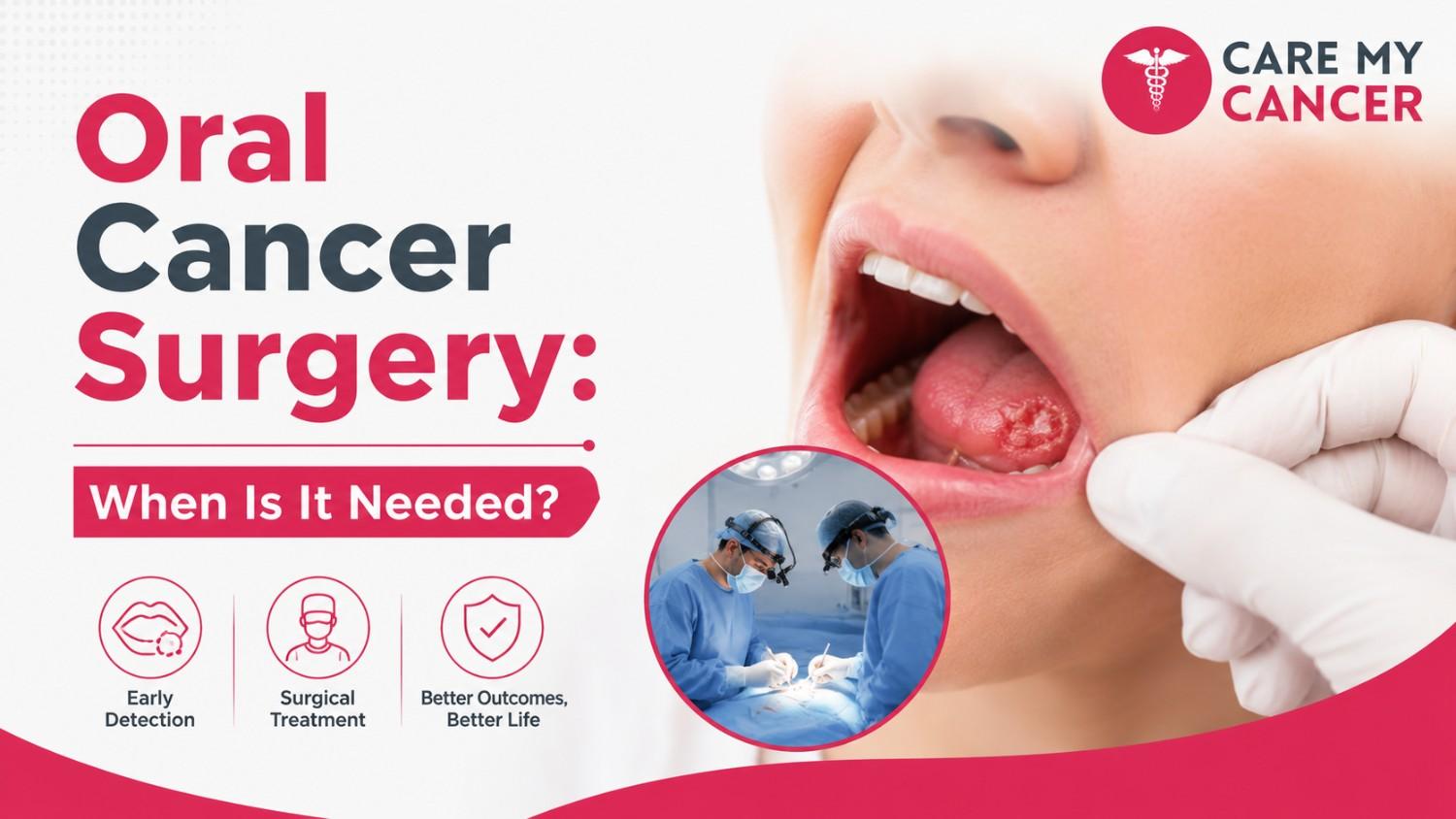
Oral cancer is one of the most common cancers affecting the mouth, tongue, gums, cheeks, lips, palate, and floor of the mouth. While advances in cancer treatment have improved survival rates, early diagnosis remains the key to successful treatment. In many cases, oral cancer surgery is the primary and most effective treatment option.
If you or your loved one has been diagnosed with oral cancer, understanding when surgery is needed can help you make informed decisions about treatment.
At CareMyCancer, Dr. Kamlesh Verma, one of the leading cancer surgeons in Lucknow with 18+ years of experience, specializes in advanced surgical oncology and personalized cancer treatment aimed at preserving both life and quality of life.
What Is Oral Cancer?
Oral cancer refers to the uncontrolled growth of abnormal cells in any part of the mouth. It most commonly develops in the:
- Tongue
- Lips
- Inner cheeks
- Gums
- Roof of the mouth
- Floor of the mouth
- Jawbone
Most oral cancers are Squamous Cell Carcinomas, which begin in the thin, flat cells lining the mouth.
Common Symptoms of Oral Cancer
Many people ignore early symptoms because they appear harmless. However, persistent symptoms lasting more than two weeks should never be ignored.
Common warning signs include:
- A mouth ulcer that doesn’t heal
- Red or white patches inside the mouth
- Pain while chewing or swallowing
- Persistent sore throat
- Lump in the neck
- Loose teeth without dental reasons
- Difficulty moving the tongue
- Jaw stiffness
- Unexplained bleeding from the mouth
- Persistent bad breath
Early consultation with an experienced surgical oncologist significantly improves treatment outcomes.
When Is Oral Cancer Surgery Needed?
Surgery is considered the gold standard treatment for most oral cancers, especially when the tumor is localized and has not spread extensively.
Your doctor may recommend surgery if:
1. The Tumor Is Localized
If imaging tests show that the cancer is confined to one area of the mouth, surgery is often the first treatment choice.
Removing the tumor completely offers the best chance for long-term recovery.
2. Cancer Is Diagnosed in Early Stages
Stage I and Stage II oral cancers are often treated successfully with surgery alone.
In many cases, patients may not require chemotherapy if the cancer is removed completely.
3. The Tumor Is Causing Functional Problems
Large tumors may interfere with:
- Eating
- Speaking
- Swallowing
- Breathing
Surgical removal helps restore these essential functions while preventing further disease progression.
4. Cancer Has Spread to Nearby Lymph Nodes
If oral cancer has spread to the neck lymph nodes, surgery may involve:
- Removal of the primary tumor
- Neck dissection to remove affected lymph nodes
This reduces the risk of recurrence.
5. After Chemotherapy or Radiation
Sometimes chemotherapy or radiation shrinks the tumor but does not eliminate it completely.
In such situations, surgery becomes necessary to remove the remaining cancer cells.
Types of Oral Cancer Surgery
The type of surgery depends on the size, location, and stage of the cancer.
Tumor Resection
The surgeon removes the tumor along with a small margin of healthy tissue to ensure all cancer cells are eliminated.
Partial or Total Glossectomy
If cancer affects the tongue:
- Partial removal may be sufficient for small tumors.
- Larger cancers may require more extensive tongue surgery.
Modern reconstruction techniques help preserve speech and swallowing as much as possible.
Mandibulectomy
When cancer invades the jawbone, a portion of the jaw may need to be removed.
Reconstructive surgery can restore appearance and function using bone grafts or advanced surgical techniques.
Maxillectomy
Cancer involving the upper jaw or palate may require removal of affected bone while preserving normal structures whenever possible.
Neck Dissection
If lymph nodes are involved, the surgeon removes them to prevent cancer spread.
Different types include:
- Selective Neck Dissection
- Modified Radical Neck Dissection
- Radical Neck Dissection
The choice depends on the extent of disease.
Is Reconstruction Needed After Oral Cancer Surgery?
Yes, many patients undergo reconstructive surgery immediately after tumor removal.
The goal is to restore:
- Facial appearance
- Speech
- Swallowing
- Chewing
- Quality of life
Reconstruction may involve:
- Skin grafts
- Tissue flaps
- Bone grafts
- Microvascular reconstruction
Advances in surgical oncology have greatly improved cosmetic and functional outcomes.
What Happens Before Surgery?
Before surgery, patients undergo a comprehensive evaluation that may include:
- Physical examination
- Oral examination
- Biopsy
- CT Scan
- MRI
- PET Scan
- Blood investigations
- Dental assessment
These investigations help determine the most effective treatment plan.
Recovery After Oral Cancer Surgery
Recovery depends on the complexity of the surgery.
Most patients experience:
- Mild pain
- Swelling
- Temporary difficulty swallowing
- Temporary speech changes
Recovery typically involves:
- Pain management
- Nutritional support
- Speech therapy
- Physiotherapy
- Regular follow-up visits
Patients usually return to normal daily activities within a few weeks, although larger surgeries may require a longer rehabilitation period.
Will Surgery Cure Oral Cancer?
The success of surgery depends on several factors:
- Stage of cancer
- Tumor size
- Lymph node involvement
- Overall health
- Timely diagnosis
When diagnosed early, oral cancer surgery offers excellent survival rates.
Many patients achieve complete remission after successful surgical treatment.
Can Oral Cancer Return After Surgery?
Although surgery removes visible cancer, regular follow-up remains essential because recurrence is possible.
Doctors generally recommend:
- Routine oral examinations
- Imaging when necessary
- Lifestyle modifications
- Tobacco and alcohol cessation
Early detection of recurrence allows prompt treatment.
Why Choose Dr. Kamlesh Verma for Oral Cancer Surgery in Lucknow?
Choosing the right cancer surgeon plays a vital role in successful treatment.
Dr. Kamlesh Verma is widely recognized for his expertise in Surgical Oncology and advanced cancer care. With 18+ years of experience, he has successfully treated thousands of patients using evidence-based surgical techniques and personalized treatment plans.
Patients choose Dr. Kamlesh Verma because of:
- Expertise in complex oral cancer surgeries
- Patient-focused treatment approach
- Advanced surgical techniques
- Comprehensive cancer care
- Multidisciplinary treatment planning
- Focus on preserving speech, swallowing, and appearance
- Compassionate care throughout the treatment journey
At CareMyCancer, every patient receives individualized care designed to achieve the best possible clinical outcomes while maintaining quality of life.
Tips to Reduce the Risk of Oral Cancer
Although not every case can be prevented, these healthy habits can significantly lower your risk:
- Avoid tobacco in all forms
- Limit alcohol consumption
- Maintain good oral hygiene
- Eat a diet rich in fruits and vegetables
- Protect your lips from excessive sun exposure
- Get regular dental check-ups
- Seek medical advice for persistent mouth ulcers or unusual changes
Early diagnosis remains the most effective way to improve treatment success.
Final Thoughts
Oral cancer is a serious condition, but timely diagnosis and expert treatment can make a significant difference. Surgery remains one of the most effective treatment options for many patients, particularly when the disease is detected in its early stages.
If you notice persistent mouth ulcers, unexplained lumps, difficulty swallowing, or other warning signs, do not delay seeking medical attention. Early intervention can improve treatment outcomes and enhance quality of life.
At CareMyCancer, Dr. Kamlesh Verma, a highly experienced cancer surgeon in Lucknow with 18+ years of expertise, is committed to delivering advanced, compassionate, and personalized oral cancer care. From diagnosis to surgery and recovery, patients receive comprehensive support at every step of their cancer journey.
Frequently Asked Questions (FAQs)
1. Is surgery the first treatment for oral cancer?
Yes. Surgery is often the primary treatment for early-stage oral cancer and may be combined with radiation or chemotherapy for advanced cases.
2. How long does oral cancer surgery take?
Depending on the complexity, surgery can take anywhere from 2 to 8 hours, especially if reconstruction is required.
3. Will I be able to speak normally after surgery?
Many patients regain good speech with rehabilitation. Outcomes depend on the tumor’s size, location, and extent of surgery.
4. Is oral cancer surgery painful?
Pain is managed effectively with medications, and most patients recover comfortably under proper medical care.
5. How soon can I return to normal activities?
Recovery varies, but many patients resume routine activities within 2–6 weeks, depending on the procedure performed.