

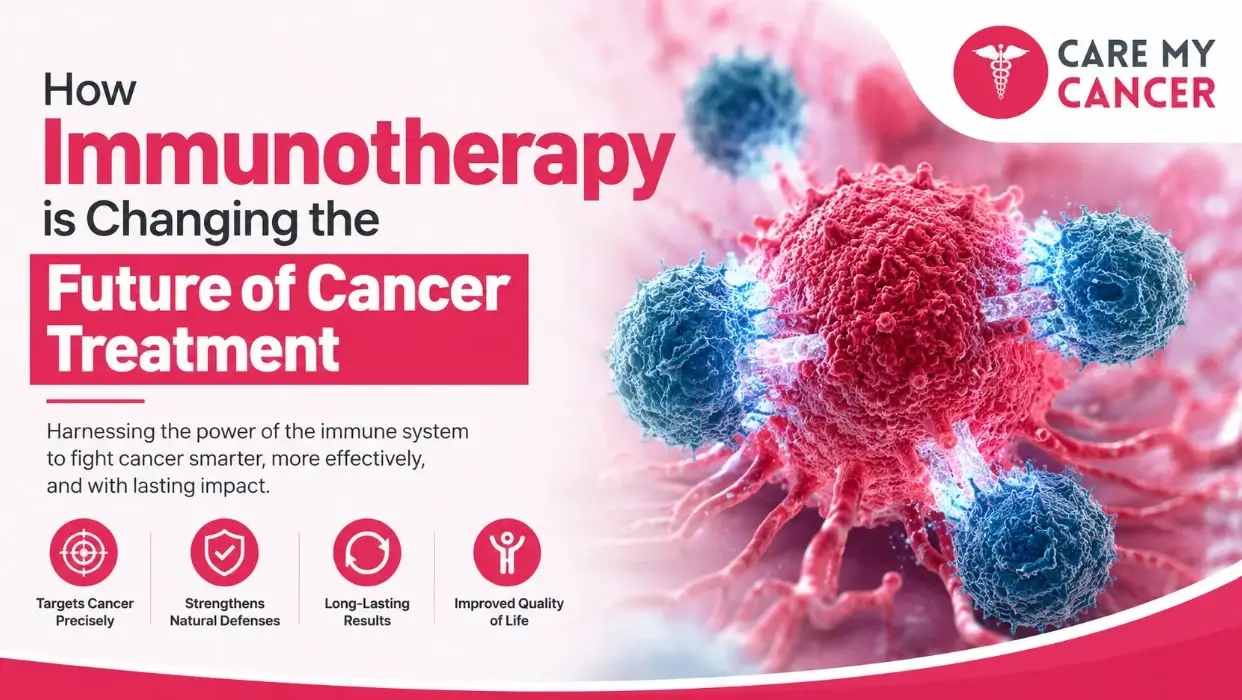
Cancer treatment has advanced significantly over the past few decades. Earlier, patients mainly depended on surgery, chemotherapy, and radiation therapy to fight cancer. While these treatments are still important, medical science has introduced a revolutionary approach known as immunotherapy. Today, immunotherapy is transforming the way cancer is treated and giving new hope to millions of patients around the world.
Unlike traditional treatments that directly attack cancer cells, immunotherapy strengthens the body’s own immune system to identify and destroy cancer cells naturally. This innovative treatment is changing the future of oncology by offering more targeted, effective, and long-lasting results for many types of cancer.
In this article, we will explore how immunotherapy works, its benefits, types, and why it is becoming one of the most promising advancements in modern cancer care.
What is Immunotherapy?
Immunotherapy is a type of cancer treatment that helps the immune system fight cancer more effectively. The human immune system naturally protects the body against infections and abnormal cells. However, cancer cells often find ways to hide from immune defenses and continue growing.
Immunotherapy helps the immune system recognize these cancer cells and attack them more efficiently. It can either stimulate the immune system or provide specially designed immune components to target cancer.
This treatment has shown remarkable success in treating several cancers, including:
- Lung cancer
- Melanoma
- Breast cancer
- Bladder cancer
- Kidney cancer
- Blood cancers like leukemia and lymphoma
- Head and neck cancers
How Immunotherapy Works
The immune system consists of white blood cells, tissues, and organs that work together to defend the body. Cancer cells can sometimes “switch off” immune responses, making it difficult for the body to detect them.
Immunotherapy works by:
- Helping immune cells recognize cancer cells
- Boosting immune responses against tumors
- Blocking signals that prevent immune attacks
- Training immune cells to target cancer specifically
This approach allows the body to fight cancer in a smarter and more personalized way.
Types of Immunotherapy Used in Cancer Treatment
There are several forms of immunotherapy currently used in modern oncology.
1. Immune Checkpoint Inhibitors
Cancer cells often use checkpoint proteins to avoid detection by the immune system. Checkpoint inhibitors block these proteins, allowing immune cells to attack cancer effectively.
These drugs are commonly used for:
- Lung cancer
- Melanoma
- Kidney cancer
- Bladder cancer
Checkpoint inhibitors have significantly improved survival rates in many advanced cancers.
2. CAR T-Cell Therapy
CAR T-cell therapy is an advanced treatment mainly used for certain blood cancers. In this therapy:
- T-cells are removed from the patient’s blood
- They are genetically modified in a laboratory
- The modified cells are returned to the body to attack cancer
This highly personalized treatment has shown impressive results in leukemia and lymphoma patients.
3. Cancer Vaccines
Cancer vaccines help the immune system recognize and destroy cancer cells. Some vaccines are preventive, while others are used as treatment after cancer diagnosis.
The HPV vaccine, for example, helps prevent cervical cancer by protecting against human papillomavirus infection.
4. Monoclonal Antibodies
These are laboratory-made proteins designed to target specific cancer cells. They can:
- Mark cancer cells for destruction
- Block tumor growth
- Deliver drugs directly to cancer cells
Monoclonal antibodies are widely used in breast cancer and colorectal cancer treatment.
5. Cytokine Therapy
Cytokines are proteins that help immune cells communicate. Certain cytokine treatments boost immune responses to fight cancer more effectively.
Though used less commonly today, they played an important role in early immunotherapy development.
Benefits of Immunotherapy in Cancer Care
Immunotherapy is gaining popularity because of its unique advantages over traditional treatments.
Targeted Treatment
Unlike chemotherapy, which can affect healthy cells, immunotherapy specifically targets cancer cells. This reduces damage to normal tissues.
Long-Term Results
In some patients, immunotherapy provides long-lasting cancer control even after treatment ends. The immune system “remembers” cancer cells and may continue fighting them.
Fewer Side Effects
Although side effects can occur, many patients experience fewer severe complications compared to chemotherapy.
Effective in Advanced Cancers
Immunotherapy has shown success in cancers that were previously difficult to treat, especially metastatic cancers.
Personalized Approach
Many immunotherapy treatments are tailored according to a patient’s cancer type and immune profile, improving treatment effectiveness.
Side Effects of Immunotherapy
While immunotherapy is generally safer than many traditional treatments, side effects are still possible. Since the immune system becomes more active, it may sometimes attack healthy tissues.
Common side effects include:
- Fatigue
- Skin rash
- Fever
- Nausea
- Diarrhea
- Inflammation in organs
Doctors closely monitor patients during treatment to manage these reactions effectively.
The Role of Immunotherapy in Modern Oncology
Immunotherapy is not replacing surgery, chemotherapy, or radiation completely. Instead, it is often combined with these treatments to improve outcomes.
For example:
- Immunotherapy may shrink tumors before surgery
- It may reduce recurrence after surgery
- Combined therapy can improve survival in advanced cancers
This integrated approach is helping doctors offer more comprehensive and effective cancer care.
Also Read: Role of Robotic Surgery in Modern Cancer Treatment
Future of Immunotherapy in Cancer Treatment
The future of immunotherapy looks extremely promising. Researchers worldwide are continuously studying new ways to improve treatment effectiveness and expand its use.
Some exciting developments include:
- Personalized cancer vaccines
- Combination immunotherapy treatments
- AI-based cancer immune profiling
- New biomarkers for predicting treatment response
- Advanced cellular therapies
Scientists are also exploring immunotherapy for cancers that currently respond poorly to treatment.
As technology and research progress, immunotherapy is expected to become more accessible, affordable, and successful for patients globally.
Why Early Cancer Detection Still Matters
Even though immunotherapy is transforming cancer care, early diagnosis remains extremely important. Detecting cancer in its early stages increases treatment success rates significantly.
People should:
- Attend regular health screenings
- Avoid tobacco and excessive alcohol
- Maintain a healthy lifestyle
- Consult doctors if symptoms persist
Combining early detection with advanced treatments like immunotherapy can save countless lives.
Conclusion
Immunotherapy is changing the future of cancer treatment by offering a smarter, more targeted, and highly effective approach to fighting cancer. It empowers the body’s own immune system to recognize and destroy cancer cells, giving hope to patients who once had limited treatment options.
From checkpoint inhibitors to CAR T-cell therapy, immunotherapy continues to revolutionize oncology and improve survival rates across multiple cancer types. Although challenges still exist, ongoing research and technological advancements are making this treatment more powerful every year.
As cancer care evolves, immunotherapy is expected to play an even bigger role in delivering personalized and life-saving treatment for patients around the world.