

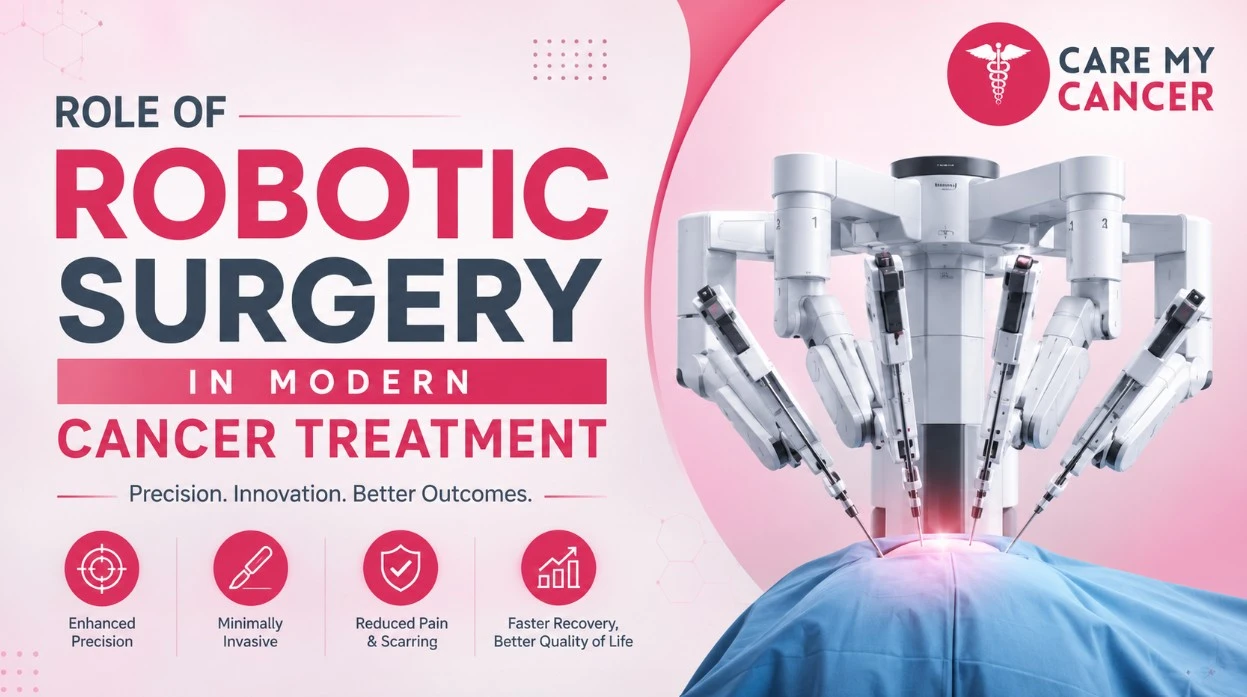
Cancer treatment has advanced rapidly over the last few decades, and one of the most revolutionary developments in modern oncology is robotic surgery. This innovative technology has transformed the way surgeons perform complex cancer procedures, offering greater precision, faster recovery, and improved patient outcomes. Today, robotic-assisted surgery is becoming an important part of cancer treatment across the world.
From prostate and colorectal cancer to gynecologic and gastrointestinal cancers, robotic surgery is helping doctors perform minimally invasive procedures with enhanced accuracy. Patients who once faced large surgical cuts and long hospital stays can now benefit from smaller incisions, reduced pain, and quicker healing.
In this article, we will explore the role of robotic surgery in modern cancer treatment, its advantages, how it works, and why it is becoming the preferred choice for many cancer specialists and patients.
What is Robotic Surgery?
Robotic surgery is a type of minimally invasive surgery where surgeons use advanced robotic systems to perform delicate procedures with high precision. Despite the name, robots do not operate independently. The surgeon remains fully in control throughout the procedure.
The robotic system usually includes:
- A surgeon’s console
- Robotic arms with surgical instruments
- A high-definition 3D camera
The surgeon controls the robotic arms from the console, allowing extremely precise movements that are difficult to achieve with traditional surgery.
How Robotic Surgery Helps in Cancer Treatment
Cancer surgery often requires removing tumors located near delicate organs, nerves, and blood vessels. Robotic technology helps surgeons perform these complex procedures more safely and accurately.
1. Enhanced Precision During Surgery
One of the biggest advantages of robotic surgery is precision. The robotic arms can move with greater flexibility and steadiness than human hands. This helps surgeons remove cancerous tissue while preserving healthy surrounding organs.
This is especially useful in cancers involving:
- Prostate
- Colon and rectum
- Cervix and uterus
- Kidney
- Throat and oral cavity
- Stomach and pancreas
Precise tumor removal can improve treatment success and reduce complications.
2. Smaller Incisions and Less Pain
Traditional open cancer surgery often requires large cuts, leading to more pain and longer healing times. Robotic surgery uses tiny incisions through which instruments and cameras are inserted.
Benefits include:
- Less blood loss
- Reduced pain after surgery
- Minimal scarring
- Lower risk of infection
Patients usually feel more comfortable after robotic procedures compared to conventional surgery.
Also Read: Is Robotic Surgery Safe for Cancer Patients? Everything You Need to Know
3. Faster Recovery Time
Recovery is an important part of cancer treatment. Many patients undergoing robotic surgery can return home within a few days.
Compared to traditional surgery, robotic procedures often result in:
- Shorter hospital stays
- Faster return to normal activities
- Quicker wound healing
- Reduced need for pain medications
This faster recovery helps patients continue additional treatments like chemotherapy or radiation therapy without major delays.
4. Better Visualization for Surgeons
Robotic systems provide surgeons with a magnified 3D high-definition view of the surgical area. This detailed visualization allows doctors to identify tiny blood vessels, nerves, and tissues more clearly.
Better visibility improves surgical accuracy and helps reduce damage to nearby healthy structures.
This feature is particularly valuable in complex cancer surgeries involving deep or narrow body areas.
Types of Cancer Commonly Treated with Robotic Surgery
Robotic-assisted procedures are now widely used in several cancer specialties.
Prostate Cancer
Robotic surgery is considered one of the most effective approaches for prostate cancer treatment. It helps surgeons preserve important nerves related to urinary control and sexual function.
Colorectal Cancer
For colon and rectal cancers, robotic surgery offers precise tumor removal while minimizing trauma to surrounding tissues.
Gynecologic Cancer
Cancers of the uterus, cervix, and ovaries can often be treated using robotic-assisted hysterectomy and related procedures.
Kidney Cancer
Robotic systems allow surgeons to remove kidney tumors while preserving healthy kidney tissue whenever possible.
Head and Neck Cancer
Some oral and throat cancers are treated using robotic techniques that avoid large facial incisions.
Gastrointestinal Cancer
Robotic surgery is increasingly used for stomach, pancreatic, and esophageal cancers due to improved access and precision.
Advantages of Robotic Surgery Over Traditional Surgery
Modern robotic systems offer several advantages that make them valuable in cancer care.
| Robotic Surgery | Traditional Surgery |
|---|---|
| Smaller incisions | Large surgical cuts |
| Less pain | More discomfort |
| Faster recovery | Longer healing time |
| Minimal blood loss | Higher blood loss |
| Better precision | Limited movement |
| Lower infection risk | Higher infection risk |
These benefits often improve the overall patient experience during cancer treatment.
Is Robotic Surgery Safe?
Yes, robotic surgery is considered safe when performed by trained and experienced surgeons. Hospitals follow strict safety protocols, and surgeons undergo specialized training to use robotic systems effectively.
Like any surgical procedure, robotic surgery may involve certain risks, including:
- Bleeding
- Infection
- Reaction to anesthesia
- Rare technical issues
However, complication rates are generally low, especially in experienced cancer centers.
Limitations of Robotic Surgery
Although robotic surgery offers many advantages, it may not be suitable for every patient or every type of cancer.
Some limitations include:
- Higher treatment costs
- Availability only at advanced medical centers
- Not ideal for very advanced or widespread cancers
- Requires highly skilled surgeons
Doctors carefully evaluate each patient before recommending robotic-assisted procedures.
Future of Robotic Surgery in Oncology
The future of robotic surgery in cancer treatment looks highly promising. As technology continues to evolve, robotic systems are becoming more advanced, accurate, and accessible.
Future developments may include:
- Artificial intelligence-assisted surgery
- Improved robotic imaging
- Remote robotic procedures
- Greater precision for complex tumor removal
Researchers and cancer specialists continue to explore new ways to combine robotics with modern cancer therapies for better patient outcomes.
Why Patients Prefer Robotic Cancer Surgery
Many patients today prefer robotic surgery because it offers a less invasive treatment experience. Smaller scars, quicker recovery, and reduced hospital stays provide physical and emotional comfort during an already challenging time.
Patients often feel more confident knowing that robotic technology allows surgeons to perform procedures with enhanced control and accuracy.
Choosing the Right Cancer Surgeon Matters
The success of robotic cancer surgery depends greatly on the expertise of the surgeon. Patients should always choose experienced oncologists and surgical specialists trained in robotic-assisted procedures.
Important factors to consider include:
- Surgeon’s experience
- Hospital infrastructure
- Availability of advanced robotic systems
- Comprehensive cancer care support
An experienced cancer team can guide patients through diagnosis, surgery, recovery, and follow-up treatment.
Conclusion
Robotic surgery has become a major advancement in modern cancer treatment. Its ability to provide greater precision, smaller incisions, faster recovery, and improved surgical outcomes has transformed cancer care for many patients.
From prostate and colorectal cancers to gynecologic and gastrointestinal tumors, robotic-assisted surgery is helping doctors perform safer and more effective procedures. While it may not replace all traditional surgeries, robotic technology is undoubtedly shaping the future of oncology.
As cancer treatment continues to evolve, robotic surgery will likely play an even bigger role in improving patient care, reducing complications, and enhancing quality of life after surgery.