

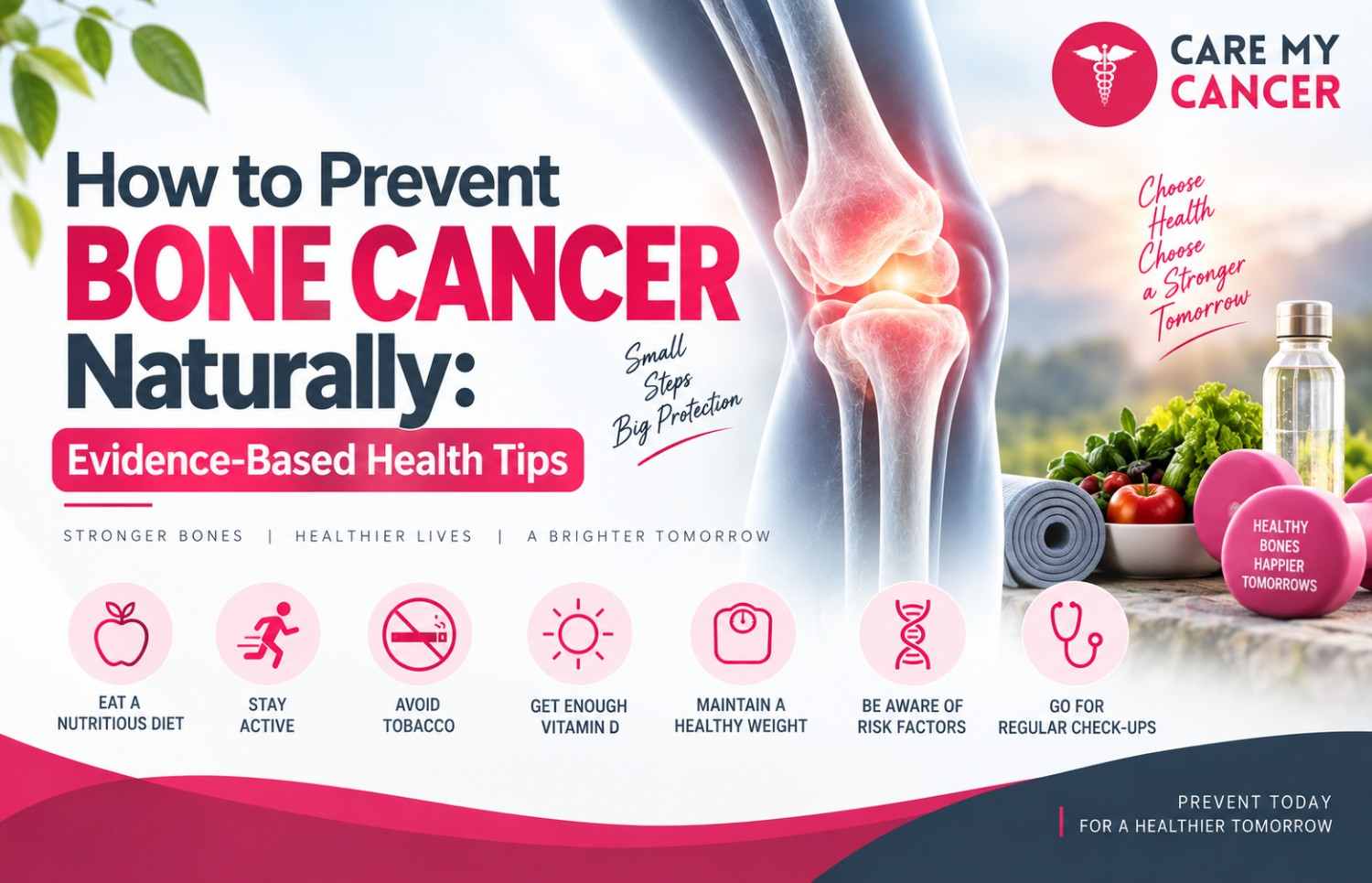
Bone cancer is a rare but serious condition that affects the bones and surrounding tissues. Although primary bone cancer accounts for a small percentage of all cancers, maintaining healthy lifestyle habits can support overall bone health and potentially reduce certain cancer-related risk factors. While there is no guaranteed way to completely prevent bone cancer, adopting evidence-based health practices can contribute to stronger bones, better immunity, and improved overall well-being.
At CareMyCancer, we believe that awareness and prevention are essential components of long-term health. Under the expert guidance of Dr. Kamlesh Verma, one of the best Surgical oncologists in Lucknow, patients receive comprehensive cancer care focused on early detection, prevention, and advanced treatment solutions.
In this article, we explore natural, evidence-based strategies that may help support bone health and reduce the risk of developing serious bone-related conditions.
Understanding Bone Cancer
Bone cancer occurs when abnormal cells grow uncontrollably within bone tissue. It may originate in the bone itself (primary bone cancer) or spread to the bones from another part of the body (secondary or metastatic cancer).
Common types of primary bone cancer include:
- Osteosarcoma
- Chondrosarcoma
- Ewing sarcoma
Although the exact causes of bone cancer are not always known, certain factors such as genetic conditions, previous radiation exposure, and some inherited syndromes may increase risk.
Because many risk factors cannot be controlled, focusing on overall health and preventive care becomes especially important.
Can Bone Cancer Be Prevented Naturally?
There is currently no scientifically proven method that completely prevents bone cancer. However, research consistently shows that maintaining a healthy lifestyle can improve immune function, reduce inflammation, strengthen bones, and lower the risk of several chronic diseases, including some cancers.
The goal is not to rely on unproven remedies but to follow evidence-based habits that promote long-term health.
1. Eat a Nutrient-Rich Diet for Strong Bones
Nutrition is one of the most important factors influencing bone health.
A balanced diet provides essential nutrients that help maintain healthy bone structure and support normal cell function.
Important Nutrients for Bone Health
Calcium
Calcium is the primary mineral found in bones.
Sources include:
- Milk and dairy products
- Yogurt
- Cheese
- Tofu
- Leafy green vegetables
Vitamin D
Vitamin D helps the body absorb calcium efficiently.
Sources include:
- Sunlight exposure
- Fatty fish
- Egg yolks
- Fortified foods
Protein
Protein supports tissue repair and bone strength.
Healthy sources include:
- Lentils
- Beans
- Nuts
- Fish
- Lean meats
Antioxidants
Fruits and vegetables rich in antioxidants help protect cells from oxidative stress.
Examples include:
- Berries
- Oranges
- Tomatoes
- Carrots
- Spinach
A colorful, plant-rich diet supports overall wellness and healthy cellular function.
2. Stay Physically Active
Regular physical activity is essential for maintaining healthy bones throughout life.
Weight-bearing exercises stimulate bone formation and help maintain bone density.
Recommended Activities
- Walking
- Jogging
- Stair climbing
- Strength training
- Yoga
- Resistance exercises
Exercise also improves circulation, supports immune health, and helps maintain a healthy body weight.
Health experts recommend at least 150 minutes of moderate physical activity per week for most adults.
3. Maintain a Healthy Body Weight
Being overweight or underweight can negatively impact overall health.
Excess body fat may contribute to chronic inflammation, while inadequate nutrition can weaken bones and reduce bone density.
Maintaining a healthy weight through balanced nutrition and regular exercise supports:
- Bone strength
- Hormonal balance
- Better mobility
- Overall wellness
A sustainable lifestyle is far more effective than crash diets or extreme fitness routines.
4. Avoid Smoking and Tobacco Products
Smoking has been linked to numerous cancers and can negatively affect bone health.
Research suggests that tobacco use may:
- Reduce bone density
- Delay healing
- Decrease blood flow to bones
- Increase overall cancer risk
Quitting smoking is one of the most beneficial decisions for long-term health.
Individuals who stop smoking often experience improvements in circulation, lung function, and overall quality of life.
5. Limit Alcohol Consumption
Excessive alcohol intake may interfere with the body’s ability to absorb important nutrients needed for healthy bones.
Heavy drinking has been associated with:
- Reduced bone density
- Increased fracture risk
- Nutritional deficiencies
Limiting alcohol consumption or avoiding it altogether can contribute to stronger bones and improved overall health.
6. Minimize Unnecessary Radiation Exposure
High-dose radiation exposure is a recognized risk factor for certain bone cancers.
While medically necessary imaging tests are generally safe, unnecessary exposure should be avoided whenever possible.
Practical Tips
- Follow your doctor’s recommendations regarding imaging procedures.
- Inform healthcare providers about previous radiation treatments.
- Use workplace safety measures if exposed to radiation in professional settings.
Responsible medical care helps ensure that diagnostic benefits outweigh potential risks.
7. Pay Attention to Bone Health Throughout Life
Bone health is not something to consider only later in life.
Developing healthy habits early can help maintain strong bones for decades.
Healthy Bone Care Practices
- Get adequate calcium and vitamin D
- Stay physically active
- Avoid tobacco
- Maintain good posture
- Prevent falls and injuries
- Seek medical evaluation for persistent bone pain
Small daily habits often have significant long-term benefits.
Recognize Early Warning Signs
One of the most important aspects of cancer prevention is early detection.
Although symptoms do not always indicate cancer, persistent or unexplained issues should never be ignored.
Symptoms That Require Medical Attention
- Ongoing bone pain
- Swelling near a bone or joint
- Frequent fractures
- Reduced mobility
- Unexplained weight loss
- Persistent fatigue
Prompt evaluation by a qualified specialist can help identify underlying conditions early and improve treatment outcomes.
The Role of Regular Medical Checkups
Routine health screenings can identify potential concerns before symptoms become severe.
Individuals with:
- Family histories of cancer
- Previous radiation exposure
- Genetic risk factors
should discuss appropriate monitoring strategies with their healthcare provider.
Regular checkups provide an opportunity to assess overall health, review risk factors, and receive personalized preventive recommendations.
Expert Bone Cancer Care at CareMyCancer
When it comes to cancer prevention, diagnosis, and treatment, expert guidance matters.
Dr. Kamlesh Verma, a highly respected Surgical Oncologist in Lucknow, provides comprehensive oncology services designed to support patients at every stage of their journey.
At CareMyCancer, services include:
- Cancer screening and evaluation
- Bone cancer diagnosis
- Surgical oncology consultation
- Personalized treatment planning
- Follow-up and survivorship care
The focus is always on evidence-based medicine, compassionate care, and achieving the best possible outcomes for every patient.
Conclusion
While there is no guaranteed natural method to completely prevent bone cancer, adopting evidence-based lifestyle habits can support strong bones and overall health. Eating a nutrient-rich diet, staying physically active, avoiding tobacco, limiting alcohol, maintaining a healthy weight, and seeking regular medical care are all important steps toward long-term wellness.
Most importantly, never ignore persistent bone pain or unusual symptoms. Early diagnosis remains one of the most effective tools in improving cancer outcomes.
If you have concerns about bone health or cancer risk, consult Dr. Kamlesh Verma, one of the best Surgical Oncologists in Lucknow, at CareMyCancer for expert guidance and personalized care.