

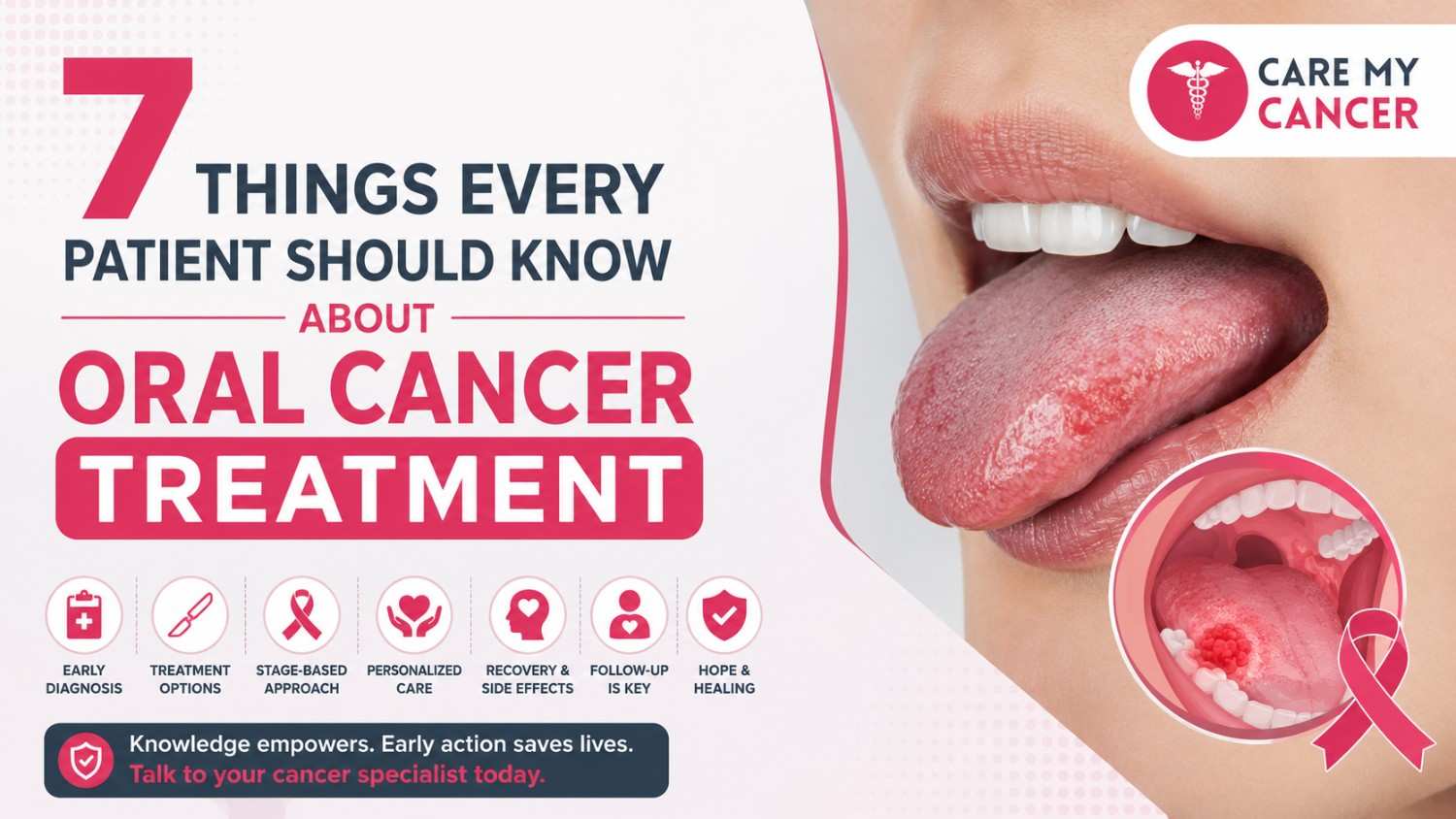
Hearing the words “oral cancer” can be overwhelming for patients and their families. Questions about treatment, recovery, survival, and quality of life often arise immediately. The good news is that advances in medical technology, surgical techniques, and multidisciplinary cancer care have significantly improved treatment outcomes for oral cancer.
Early diagnosis combined with expert treatment plays a vital role in achieving successful results. At CareMyCancer, Dr. Kamlesh Verma, a renowned best cancer surgeon in Lucknow and experienced oral cancer surgeon in Lucknow, provides comprehensive and personalized treatment plans designed to achieve the best possible outcomes while preserving speech, swallowing, and appearance whenever possible.
Here are seven important things every patient should know before starting oral cancer treatment.
1. Early Diagnosis Makes Treatment More Successful
One of the biggest factors affecting oral cancer treatment is how early the disease is detected.
Patients often ignore symptoms such as:
- A mouth ulcer that doesn’t heal for more than two weeks
- White or red patches inside the mouth
- Persistent pain while chewing
- Difficulty swallowing
- A lump in the neck
- Loose teeth without dental disease
- Voice changes
When oral cancer is diagnosed at an early stage, treatment is generally less extensive and recovery is much better.
Regular oral examinations and timely consultation with an experienced oral cancer surgeon in Lucknow can make a significant difference.
2. Surgery Is Often the Primary Treatment
Many patients assume chemotherapy is the first step, but in most early and moderately advanced cases, oral cancer surgery remains the most effective treatment.
The surgical procedure aims to:
- Remove the cancer completely
- Preserve healthy tissues whenever possible
- Reduce the risk of recurrence
- Restore normal function
Depending on the stage and location of the tumor, surgery may involve removing a small portion of tissue or performing more complex reconstructive procedures.
An experienced surgeon like Dr. Kamlesh Verma carefully plans surgery to achieve complete cancer removal while maintaining facial appearance and oral function.
3. Treatment Plans Are Personalized
There is no “one-size-fits-all” treatment for oral cancer.
Every patient receives an individualized treatment plan based on:
- Cancer stage
- Tumor size
- Tumor location
- Lymph node involvement
- Overall health
- Age
- Previous medical history
Treatment may include:
- Surgery
- Radiation therapy
- Chemotherapy
- Targeted therapy
- Immunotherapy
- Reconstructive surgery
- Rehabilitation
At CareMyCancer, every case is evaluated carefully to recommend the most suitable treatment strategy.
4. Neck Lymph Nodes May Also Need Treatment
Oral cancer can spread to the lymph nodes present in the neck.
Even if the lymph nodes appear normal on physical examination, microscopic cancer cells may still be present.
This is why your surgeon may recommend a procedure called neck dissection, which removes affected lymph nodes to reduce the risk of cancer spreading.
Although hearing about additional surgery may sound frightening, it often improves long-term survival and lowers recurrence rates.
Your surgeon will explain why neck treatment is necessary in your specific case.
5. Recovery Takes Time—but Most Patients Improve Gradually
Many patients worry that they will never be able to eat or speak normally again.
Recovery depends on:
- Type of surgery
- Tumor location
- Overall health
- Reconstruction performed
- Follow-up therapies
Initially, patients may experience:
- Swelling
- Difficulty chewing
- Speech changes
- Mild discomfort
- Temporary feeding support
With proper rehabilitation, nutrition, and physiotherapy, many patients regain excellent oral function.
Modern reconstructive surgery has greatly improved cosmetic and functional outcomes for oral cancer patients.
6. Lifestyle Changes Are Essential After Treatment
Successful treatment doesn’t end after surgery.
Patients should make important lifestyle changes to reduce recurrence risk.
These include:
- Quit tobacco completely
- Avoid smoking
- Stop chewing gutkha or paan masala
- Limit alcohol consumption
- Eat a healthy diet
- Maintain good oral hygiene
- Attend regular follow-up visits
These habits not only improve recovery but also reduce the chances of developing another oral cancer.
7. Regular Follow-Up Is Just as Important as Treatment
Many patients mistakenly believe treatment ends after surgery or radiation.
In reality, follow-up care is a crucial part of oral cancer management.
Regular follow-up appointments help doctors:
- Detect recurrence early
- Monitor healing
- Evaluate speech and swallowing
- Identify treatment side effects
- Provide rehabilitation support
Most patients require frequent follow-ups during the first two years because this is when recurrence is more likely.
Following your doctor’s advice can significantly improve long-term outcomes.
Advanced Oral Cancer Treatment at CareMyCancer
At CareMyCancer, patients receive evidence-based, patient-centered cancer care supported by modern surgical techniques and multidisciplinary expertise.
Treatment services include:
- Oral Cancer Surgery
- Neck Dissection
- Tumor Reconstruction
- Cancer Diagnosis
- Biopsy
- Chemotherapy Guidance
- Radiation Therapy Coordination
- Nutritional Counseling
- Rehabilitation Support
- Long-Term Follow-Up Care
Every treatment plan is tailored to the patient’s medical condition and personal needs.
Why Choose Dr. Kamlesh Verma?
Choosing the right surgeon is one of the most important decisions after an oral cancer diagnosis.
Dr. Kamlesh Verma is recognized as a best cancer surgeon in Lucknow and an experienced oral cancer surgeon in Lucknow, known for his expertise in managing complex head and neck cancers.
Patients choose Dr. Kamlesh Verma because of:
- Expertise in oral cancer surgery
- Comprehensive cancer treatment planning
- Patient-focused care
- Advanced surgical techniques
- Multidisciplinary treatment approach
- Personalized follow-up and rehabilitation support
His goal is not only to remove cancer but also to preserve quality of life through compassionate, evidence-based care.
When Should You See an Oral Cancer Specialist?
Consult an oral cancer specialist immediately if you notice:
- Mouth ulcer lasting more than two weeks
- White or red patches
- Difficulty swallowing
- Pain while chewing
- Persistent mouth pain
- Bleeding inside the mouth
- Lump in the neck
- Non-healing oral wounds
- Difficulty opening the mouth
- Loose teeth without obvious cause
Prompt evaluation can lead to earlier diagnosis and more effective treatment.
Conclusion
Oral cancer treatment has advanced significantly over the years, offering patients better outcomes, improved recovery, and enhanced quality of life. Understanding the treatment process helps reduce anxiety and allows patients to make informed decisions about their care.
If you or a loved one experiences symptoms of oral cancer, don’t delay seeking medical advice. Early diagnosis and expert treatment remain the strongest defenses against the disease.
At CareMyCancer, Dr. Kamlesh Verma, a trusted best cancer surgeon in Lucknow and experienced oral cancer surgeon in Lucknow, is committed to providing comprehensive, compassionate, and personalised care for every patient.
Frequently Asked Questions (FAQs)
1. What is the best treatment for oral cancer?
Treatment depends on the stage of cancer and may include surgery, radiation therapy, chemotherapy, targeted therapy, or a combination of these approaches.
2. Is oral cancer surgery painful?
The surgery is performed under anesthesia. After the procedure, pain is managed with medications, and most patients recover gradually with appropriate care.
3. Can oral cancer be cured?
Yes. When detected early and treated promptly by an experienced cancer specialist, many cases of oral cancer can be treated successfully.
4. How long does recovery take after oral cancer surgery?
Recovery varies depending on the extent of surgery. Most patients experience gradual improvement over several weeks to a few months, with rehabilitation support when needed.
5. Why is follow-up important after oral cancer treatment?
Regular follow-up visits help detect recurrence early, monitor healing, manage side effects, and support long-term recovery.