

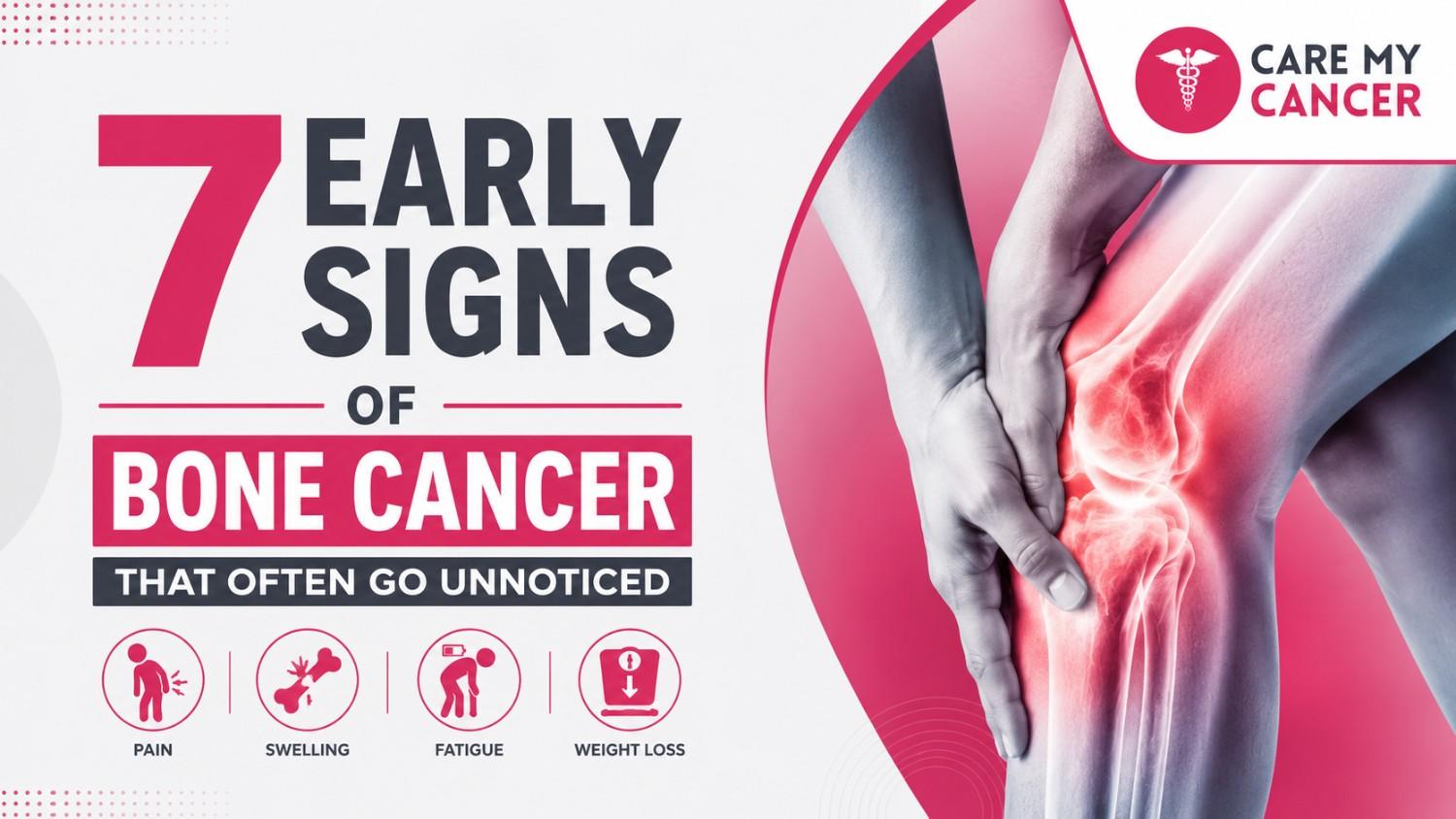
Bone cancer is a relatively rare form of cancer, but when it does occur, early diagnosis can make a significant difference in treatment outcomes. Unfortunately, many of the initial symptoms of bone cancer are subtle and often mistaken for common problems such as muscle strain, sports injuries, arthritis, or simple fatigue. As a result, patients frequently delay seeking medical attention until the disease has progressed.
At CareMyCancer, under the expert guidance of Dr. Kamlesh Verma, one of the best cancer surgeons in Lucknow, we believe that awareness is one of the strongest weapons against cancer. Recognizing the early warning signs can help patients receive timely diagnosis and appropriate treatment.
In this article, we will discuss the 7 early signs of bone cancer that often go unnoticed, along with important information about diagnosis, treatment, and when to consult a specialist.
What Is Bone Cancer?
Bone cancer develops when abnormal cells begin growing uncontrollably within a bone. It may originate in the bone itself, known as primary bone cancer, or spread to the bones from another organ, known as secondary or metastatic bone cancer.
Some common types of primary bone cancer include:
- Osteosarcoma
- Chondrosarcoma
- Ewing Sarcoma
Although bone cancer is uncommon compared to other cancers, early detection remains crucial for improving survival rates and preserving quality of life.
1. Persistent Bone Pain That Doesn’t Go Away
One of the most common and earliest symptoms of bone cancer is persistent bone pain. Unlike pain caused by minor injuries, bone cancer pain often becomes progressively worse over time.
Signs to Watch For:
- Deep, aching pain in a specific bone
- Pain that worsens during the night
- Discomfort that increases with activity
- Pain that continues despite rest or medication
Initially, the pain may come and go, causing many people to ignore it. However, if bone pain lasts for several weeks or becomes increasingly severe, it should never be overlooked.
Why It Happens
As the tumor grows inside the bone, it can damage normal bone tissue and surrounding structures, leading to ongoing discomfort.
2. Swelling or a Lump Near the Affected Bone
A noticeable swelling or lump near a bone is another early warning sign that many people fail to recognize.
Common Characteristics:
- Swelling around the affected area
- Tenderness when touched
- A visible lump that gradually enlarges
- Warmth over the swollen region
The swelling may appear weeks or even months after the pain begins. Depending on the location, it may be mistaken for a sports injury or inflammation.
If you notice an unexplained lump that persists or grows over time, consult a cancer specialist promptly.
3. Frequent Bone Fractures from Minor Injuries
Healthy bones are designed to withstand everyday activities. However, bone cancer can weaken the bone structure, making it more susceptible to fractures.
Warning Signs:
- Fractures after minor falls
- Broken bones during routine activities
- Sudden severe pain followed by a fracture
These are known as pathological fractures, meaning the bone breaks because it has been weakened by disease rather than significant trauma.
Many patients are surprised when a seemingly harmless injury results in a fracture. In some cases, the fracture itself leads doctors to discover an underlying bone tumor.
4. Unexplained Fatigue and Weakness
Persistent fatigue is a symptom associated with many cancers, including bone cancer.
Symptoms Include:
- Constant tiredness
- Lack of energy
- Difficulty concentrating
- Feeling exhausted despite adequate sleep
Because modern lifestyles are often stressful and demanding, people frequently attribute fatigue to work pressure or lack of rest.
However, unexplained fatigue accompanied by bone pain or swelling should not be ignored.
Why It Occurs
Cancer cells consume significant amounts of the body’s energy and may interfere with normal bodily functions, leading to chronic tiredness.
5. Unintentional Weight Loss
Unexpected weight loss is one of the most important warning signs of many cancers.
Possible Indicators:
- Losing weight without dieting
- Reduced appetite
- Feeling full quickly
- Noticeable changes in body composition
Cancer can alter metabolism and increase the body’s energy requirements, causing weight loss even when eating habits remain unchanged.
While weight fluctuations are normal, losing a significant amount of weight without a clear reason warrants medical evaluation.
6. Limited Movement or Joint Stiffness
When bone cancer develops near a joint, it can interfere with mobility and daily activities.
Common Symptoms:
- Difficulty moving a limb
- Joint stiffness
- Reduced flexibility
- Pain while walking or exercising
For example, a tumor near the knee, hip, or shoulder may make routine movements increasingly difficult.
Many people mistake these symptoms for arthritis, aging, or sports injuries, delaying diagnosis.
Why Early Evaluation Matters
Prompt medical assessment can help determine whether symptoms are related to a benign condition or a more serious underlying issue.
7. Fever and General Feeling of Illness
Although less common, some bone cancer patients experience general symptoms that resemble an infection.
Symptoms May Include:
- Low-grade fever
- Night sweats
- Feeling unwell
- Unexplained weakness
Because these symptoms are non-specific, they are often attributed to viral infections or seasonal illnesses.
However, when fever occurs alongside persistent bone pain or swelling, further investigation may be necessary.
Who Is at Higher Risk of Bone Cancer?
While bone cancer can affect anyone, certain factors may increase risk:
- Previous radiation therapy
- Genetic syndromes
- Family history of certain cancers
- Paget’s disease of bone
- Rapid bone growth during adolescence
Understanding these risk factors can help individuals remain vigilant about unusual symptoms.
When Should You See a Bone Cancer Specialist?
You should seek medical attention if you experience:
- Persistent bone pain lasting several weeks
- Swelling or lumps near a bone
- Frequent unexplained fractures
- Unexplained weight loss
- Chronic fatigue
- Joint stiffness affecting mobility
- Recurring fever without a known cause
Early diagnosis often leads to more treatment options and better outcomes.
How Is Bone Cancer Diagnosed?
At CareMyCancer, Dr. Kamlesh Verma uses advanced diagnostic techniques to accurately identify and evaluate bone tumors.
Diagnostic Methods Include:
X-Rays
Often the first imaging test used to identify abnormal bone changes.
MRI Scan
Provides detailed images of bones and surrounding tissues.
CT Scan
Helps determine the size and extent of the tumor.
PET Scan
Useful for identifying cancer spread.
Biopsy
A biopsy remains the gold standard for confirming bone cancer. A small tissue sample is examined under a microscope to determine whether cancer cells are present.
Treatment Options for Bone Cancer
The treatment plan depends on the type, stage, and location of the cancer.
Surgery
The primary goal is to remove the tumor while preserving as much healthy bone and function as possible.
Chemotherapy
Often used before or after surgery to destroy cancer cells.
Radiation Therapy
May be recommended to shrink tumors or eliminate remaining cancer cells.
Targeted Therapy
Advanced medications designed to attack cancer cells while minimizing damage to healthy tissue.
Personalized Cancer Care
Every patient receives a customized treatment plan based on their specific condition and overall health.
Why Choose Dr. Kamlesh Verma for Bone Cancer Treatment in Lucknow?
When facing a cancer diagnosis, choosing the right specialist is critical.
Dr. Kamlesh Verma is recognized for:
- Extensive experience in cancer surgery
- Expertise in complex bone and soft tissue tumor management
- Patient-focused treatment approach
- Advanced cancer treatment techniques
- Comprehensive cancer care and follow-up support
At CareMyCancer, patients benefit from compassionate care, modern diagnostic facilities, and evidence-based treatment strategies aimed at achieving the best possible outcomes.
Final Thoughts
Bone cancer may be rare, but its early warning signs should never be ignored. Persistent bone pain, swelling, unexplained fractures, fatigue, weight loss, limited mobility, and recurring fever can all signal an underlying problem that requires medical attention.
The earlier bone cancer is detected, the greater the chances of successful treatment and recovery. If you or a loved one is experiencing any of these symptoms, do not delay seeking expert guidance.
Consult Dr. Kamlesh Verma – Best Cancer Surgeon in Lucknow
At CareMyCancer, we are committed to providing advanced cancer diagnosis, personalized treatment, and compassionate care for every patient.
Book your consultation today and take the first step toward expert cancer care.